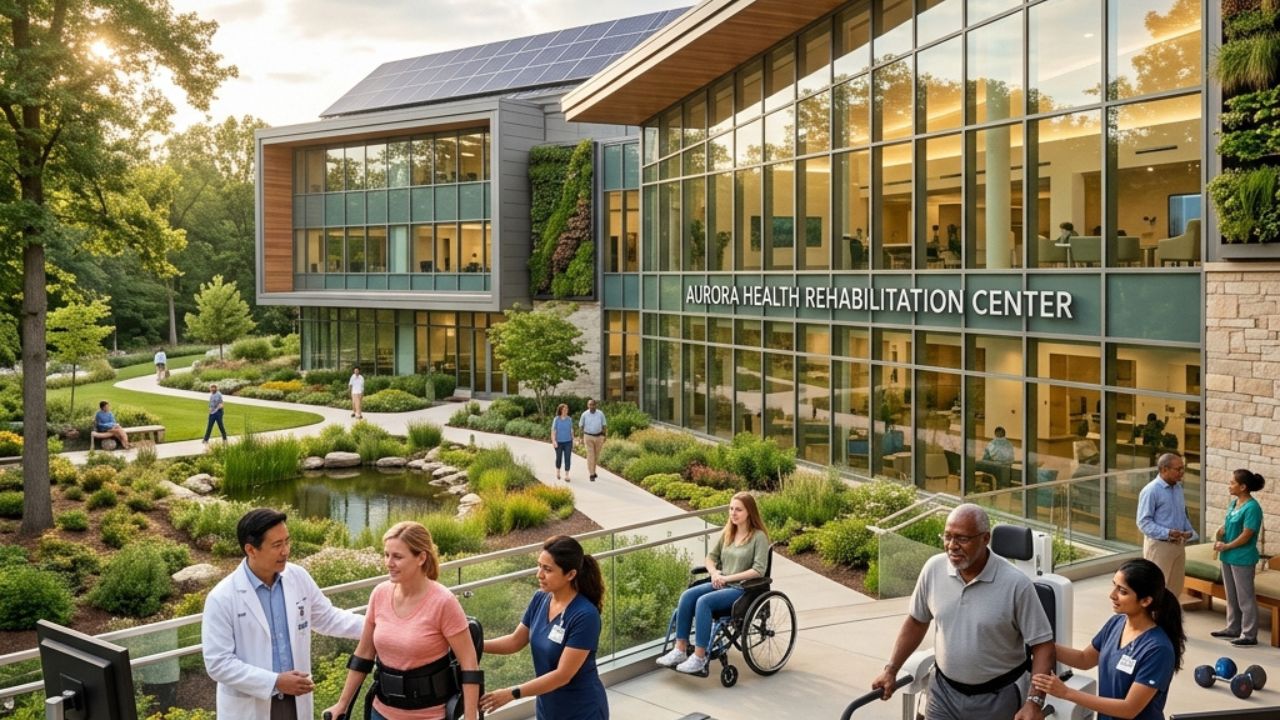
A major injury or illness can alter the course of a life in an instant. The path to recovery often requires much more than just time and rest. It demands highly specialized care, cutting-edge technology, and a dedicated team of medical professionals. This is exactly where advanced rehabilitation comes into play, stepping in when acute medical care concludes.
Advanced rehabilitation focuses on helping patients regain maximum physical and cognitive function. These specialized centers treat complex conditions like spinal cord injuries, traumatic brain injuries, severe strokes, and major amputations. Standard physical therapy clinics simply do not have the resources to manage these intensive recovery processes.
Finding the right facility makes a significant difference in recovery outcomes. This guide explores the very best hospitals for advanced rehabilitation services across the United States. We will review the criteria that set these facilities apart, highlight specific top-ranking hospitals, and provide advice on choosing the right program for your needs.
Criteria for Top Rehabilitation Hospitals
What transforms a good rehabilitation center into a world-class hospital? Several critical factors distinguish the top-tier facilities from the rest.
Accreditation and Certifications
The gold standard for rehabilitation centers is accreditation by the Commission on Accreditation of Rehabilitation Facilities (CARF). This certification proves that a hospital meets rigorous international standards for quality and patient care.
Specialized Programs and Therapies
Leading hospitals offer dedicated programs for specific conditions. A brain injury requires an entirely different therapeutic approach than a spinal cord injury. The best centers maintain highly specialized units tailored to exact patient needs.
State-of-the-Art Facilities and Technology
Modern rehabilitation relies heavily on technology. Top hospitals invest in robotic exoskeletons, zero-gravity treadmills, advanced hydrotherapy pools, and virtual reality simulators to accelerate healing and neural rewiring.
Multidisciplinary Teams
Recovery is a team effort. Elite centers employ a comprehensive mix of specialists, including physiatrists, physical therapists, occupational therapists, speech-language pathologists, and neuropsychologists.
Patient Outcomes and Testimonials
A hospital’s track record speaks volumes. High rates of patients returning home or to independent living environments mark a highly successful rehabilitation program.
Research and Innovation
Facilities connected to major research universities often lead the way in innovative treatments. Patients at these hospitals gain access to clinical trials and therapies long before they become widely available.
Leading Hospitals for Advanced Rehabilitation in the USA
Several hospitals consistently rank at the top of national lists for their exceptional rehabilitation services. Here is a look at five of the best facilities in the country.
Shirley Ryan AbilityLab (Chicago, Illinois)
The Shirley Ryan AbilityLab consistently ranks as the number one rehabilitation hospital in the United States. It stands out by fully integrating medical research with clinical care.
The hospital operates specialized innovation centers focused on brain function, spinal cord injuries, nerve and muscle function, pediatric care, and cancer rehabilitation. Patients work closely with both researchers and therapists. This environment has led to breakthroughs in bionic medicine and targeted muscle reinnervation. Patients report extraordinary success stories, often exceeding their initial recovery prognoses due to the intensely customized care plans.
Spaulding Rehabilitation Hospital (Boston, Massachusetts)
As the official teaching hospital for the Harvard Medical School Department of Physical Medicine and Rehabilitation, Spaulding offers unmatched clinical expertise.
Spaulding is particularly renowned for its stroke, traumatic brain injury, and burn rehabilitation programs. The hospital features state-of-the-art aquatic therapy centers and utilizes advanced robotic therapies. Patients benefit from the deep well of knowledge provided by Harvard faculty, resulting in highly effective, evidence-based treatment protocols.
Kessler Institute for Rehabilitation (West Orange, New Jersey)
Kessler Institute is a recognized leader in the field of physical medicine and rehabilitation. It holds a unique place in medical history, famously treating the late actor Christopher Reeve after his severe spinal cord injury.
Kessler focuses heavily on spinal cord injuries, brain injuries, strokes, and neurological diseases. They offer a highly structured environment that emphasizes functional independence. Their multidisciplinary approach ensures that patients receive psychological and emotional support alongside rigorous physical therapy.
TIRR Memorial Hermann (Houston, Texas)
Located in the Texas Medical Center, TIRR Memorial Hermann has a long history of taking on the most complex and difficult rehabilitation cases.
The hospital is globally recognized for its brain injury and spinal cord injury programs. Former US Representative Gabby Giffords completed her intensive recovery here following a severe brain injury. TIRR Memorial Hermann excels in community reintegration, teaching patients how to navigate the outside world safely and confidently after a major physical change.
Craig Hospital (Englewood, Colorado)
Craig Hospital is unique because it exclusively treats patients with spinal cord injuries and traumatic brain injuries. This narrow focus allows them to offer an unparalleled depth of expertise.
The facility is known for its highly personalized, holistic approach. They focus on the patient’s entire family, offering extensive education and psychological support. Craig Hospital also boasts exceptional patient outcomes, with a high percentage of patients successfully returning to work or school following their discharge.
Factors to Consider When Choosing a Rehabilitation Hospital
Selecting the right hospital is a highly personal decision. Consider these primary factors when evaluating your options.
Patient-Specific Needs and Goals
Always prioritize the specific medical condition of the patient. If your loved one has suffered a severe stroke, look for a hospital with a CARF-accredited stroke specialty program. Align the hospital’s strengths with your primary recovery goals.
Insurance Coverage and Financial Considerations
Advanced rehabilitation is a significant financial investment. Thoroughly review your health insurance policy to understand your coverage limits. Speak directly with the financial counselors at the prospective hospitals to get a clear picture of out-of-pocket costs and available financial assistance programs.
Location and Family Involvement
Family support is a crucial component of recovery. While it might be tempting to travel across the country to a top-ranked hospital, consider the logistical strain on the family. Many top hospitals encourage family members to participate actively in therapy sessions, which is much easier if the facility is relatively close to home.
Consultation and Assessment Process
Before committing to a hospital, request a thorough assessment. Speak with the admissions team and, if possible, tour the facility. Ask specific questions about the daily therapy schedule, the patient-to-staff ratio, and the typical outcomes for patients with similar conditions.
The Future of Rehabilitation Services
The field of rehabilitation is advancing rapidly. The hospitals of tomorrow will look quite different from those of today.
Emerging Technologies in Rehabilitation
Robotics and artificial intelligence are becoming standard tools in the recovery process. Robotic exoskeletons allow patients with severe lower-body paralysis to stand and walk, building muscle memory. Virtual reality platforms provide safe, controlled environments for patients to practice real-world skills, like crossing a busy street or cooking a meal.
Personalized Medicine Approaches
Advances in genetics and biomarkers will soon allow doctors to predict how individual patients will respond to specific therapies. This personalized medicine approach will eliminate trial and error, ensuring that patients receive the most effective treatments from day one.
Focus on Holistic Recovery
Medical professionals increasingly recognize that physical healing is only one part of the equation. Future rehabilitation programs will integrate mental health counseling, nutritional planning, and robust peer support networks into the standard curriculum, ensuring a truly holistic recovery.
Moving Forward with Confidence
Securing a spot at a specialized rehabilitation hospital can completely alter the trajectory of a patient’s life. These advanced centers provide the expertise, technology, and support necessary to tackle the most complex medical challenges.
While the journey ahead may seem daunting, patients and their families should feel encouraged by the incredible resources available today. By carefully evaluating accreditation, specialized programs, and patient outcomes, you can confidently select a hospital that aligns with your specific recovery goals. Take the time to ask questions, verify insurance details, and lean on the expertise of medical professionals as you navigate this critical decision.